There was an inspiring talk given by Professor Patrizia Bricarello presented at the HRI conference in 2025, on her topic of Homeopathy for the promotion of One Health in agroecosystems. The conference was the Homeopathy Research Institute’s 6th International Research Conference which took place in Thessaloniki, Greece, from 20-22 June 2025. You can read a review of the whole conference here.
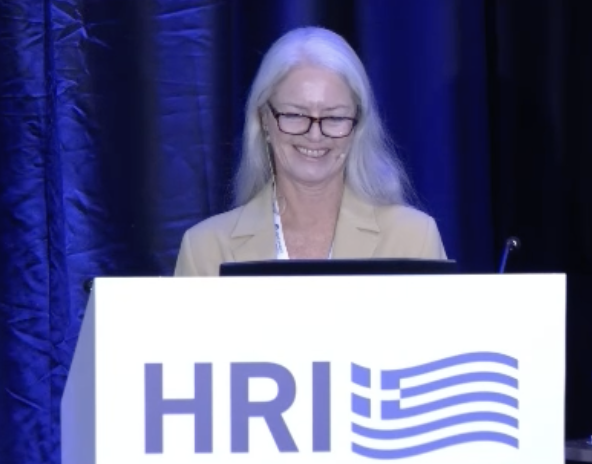
Professor Patrizia Bricarello
HRI has an ongoing commitment to advancing high-quality scientific inquiry. Building on a tradition established over the past decade, HRI offers a dedicated platform for the dissemination of innovative research.
Prof Patrizia Bricarello is currently an Associate Professor in the Department of Animal Science and Rural Development and in the Postgraduate Program in Agroecosystems at the Center for Agricultural Sciences at the Federal University of Santa Catarina (UFSC) in Florianópolis, SC, Brazil.
Patrizia is a veterinary researcher with a PhD in Science. She is a key figure in veterinary integrative medicine, specialising in homeopathy, phytotherapy, and sustainable livestock management. Her work directly addresses the critical intersection of animal health, agroecology, and public well-being. She has experience in the area of Preventive and Integrative Veterinary Medicine with her expertise being the One Health framework, which recognises the intricate connections between human, animal, and environmental well-being.
Her keynote speech at HRI covered:
- The One Health approach at Nucleo de Agroecologia, which is part of the University
- Sustainability
- The university’s organic certification
- Homeopathy is a first-choice remedy for the prevention and treatment of infectious and parasitic diseases
- Homeopathy being used in an ointment for Myiasis blow fly
- The Blue Sheep Collective making beautiful artisanal products.
The One Health approach
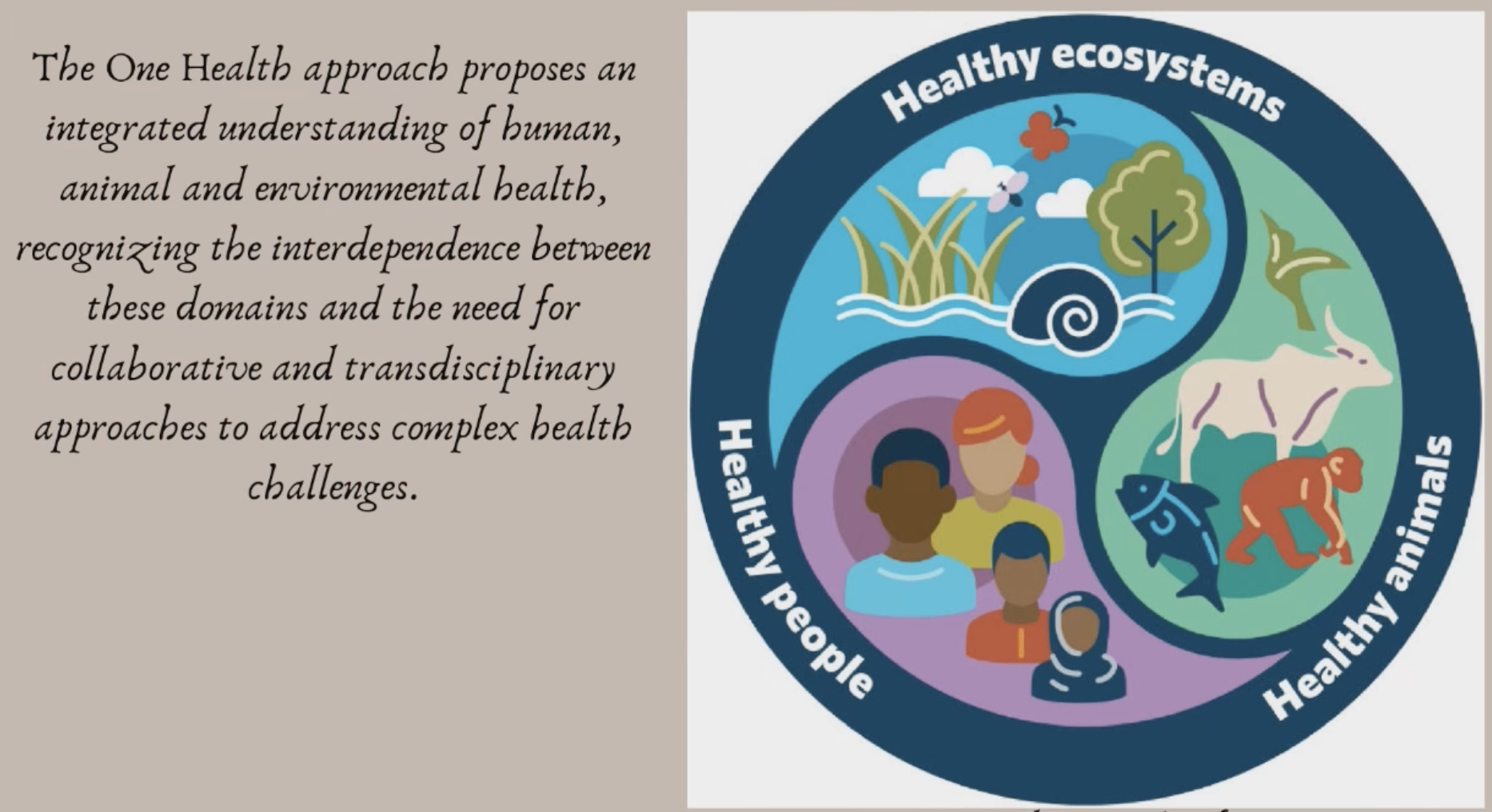
One Health encompasses the interactions between animals, plants, humans and the environment and how these interactions and imbalances affect the occurrence and spread of disease. The harmful effects of contaminants currently widely used in agriculture and livestock farming pose a threat to One Health. Residues of veterinary pharmaceuticals and their metabolites in products of animal origin, such as meat, milk, eggs and honey,
pose serious risks to food safety.
In agroecological production systems, the use of veterinary medicines is restricted. In these systems, homeopathy is an indispensable, sustainable first-choice remedy for the prevention and treatment of infectious and parasitic diseases as well as behavioural and reproductive disorders. It is currently gaining momentum and proving to be a viable option aimed at improving the health of living beings and food security, sharing the principles of agroecology and environmental sustainability. In several countries, homeopathy is used in livestock farming and agriculture, mainly to reduce the use of antibiotics and insecticides in animal husbandry. In agroecosystems, homeopathy can help grow vegetables, control diseases and pests, reduce pesticide use and improve water quality.
Homeopathic medicines do not harm animals, consumers of animal products or the environment. Homeopathy can help combat the development of antibiotic resistance and is recommended by the European Union for organic livestock production. An important contribution of homeopathy to the environment is that it returns excrement to the soil without residues, promoting the natural development of insects and microorganisms responsible for the transformation and incorporation of organic matter into the soil. In this way, it allows the soil to be healthy and produces balanced and healthy plants that, together with the animals that consume them, become higher-quality food for human consumption, directly promoting One Health. Homeopathy can treat every living thing in the agricultural organism. The One Health concept promotes a joint approach between the three axes of animal, human and environmental health to address a number of complex problems in agriculture and livestock farming.
Many studies show efficacy of homeopathy for treating animals. In cattle, 60% of the indications for the use of homeopathy are in mastitis treatment. For poultry and pigs, the uses are diverse including diarrhoea and growth promoters. Homeopathy can reduce the need for antibiotics in animal husbandry.
Nucleo de Agroecologia
The Nucleo de Agroecologia, is an experimental farm ‘Ressacarda’ at the Center for Agrarian Sciences at the University Federal of Santa Catarina Brazil. The main aims of the centre is to:
- Promote food security and sustainability
- To achieve aims through research and teaching agroecology
- Production of wool
- Teaching about horticulture and medicinal plants
- Growing fruit.
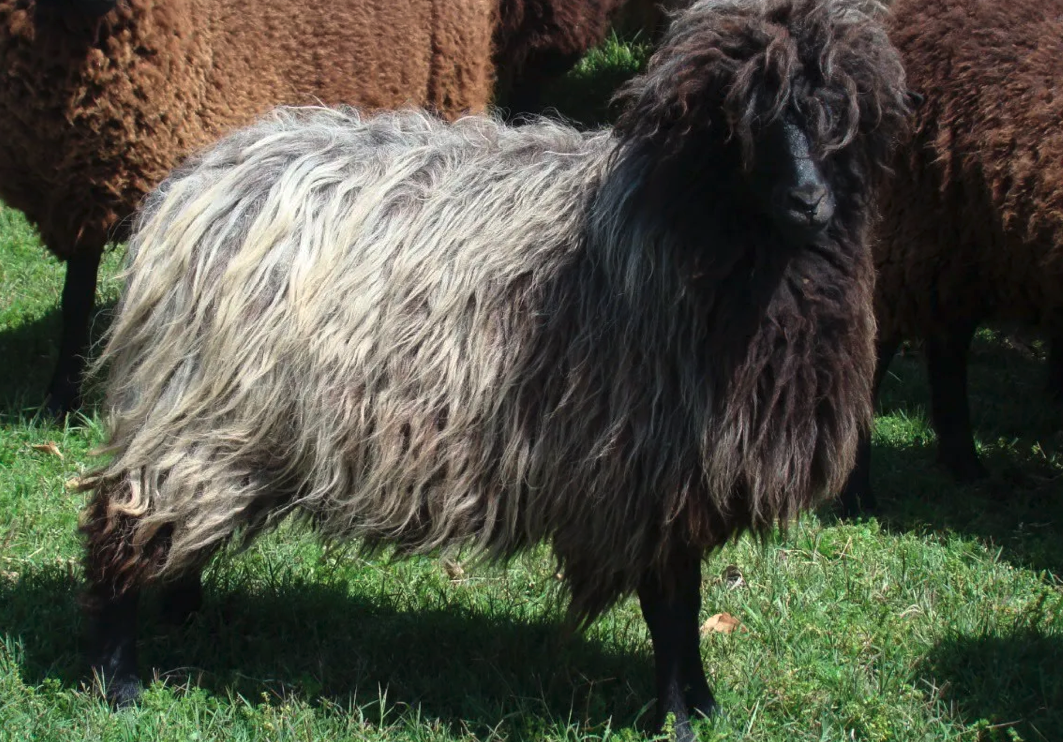
They are proudly the first Brazilian University to have organic certification (since 2021). The area of the farm is 5 hectares representing a prototype of a small rural property. They have a flock of 60 sheep including the Crioula Lanada which is native to South America.
They use the Voisin Rational Grazing (VRG) system which is a method for sustainable livestock production that maximises pasture growth by resting the area in between grazing. By intelligently managing grazing periods and rest intervals to coincide with a plant’s optimal recovery point, the soil health is enhanced and animal welfare improves.
Professor Bricarella says that on the farm homeopathy has been used for problems that conventional medicine cannot treat with:
- No environmental contamination
- No side effects
- No adverse restraint practices
- No residue in food
- Excellent welfare for the animals.
Occasionally, foreign students are invited as facilitators/guests to exchange agroecological experiences from other countries such as Mexico, Angola, Mozambique, USA, the Netherlands, France, Colombia, among others, who have participated in the project.
Development of ointment for Myiasis blow fly
The research team has been working on a homeopathy ointment for the big problem of blow fly. It started as a students project where they use Pyrogenium 12c successfully which limits the development of parasitic larvae, encourages repair of tissue damage and healing, together with control of fever and inflammation. This a breakthrough in treatment because the deeply embedded larvae can lead to serious tissue damage and sometimes death. Treating this form of myiasis with conventional medicine is difficult, often resulting in poor outcomes.
The Blue Sheep Collective Ovelhas Azuis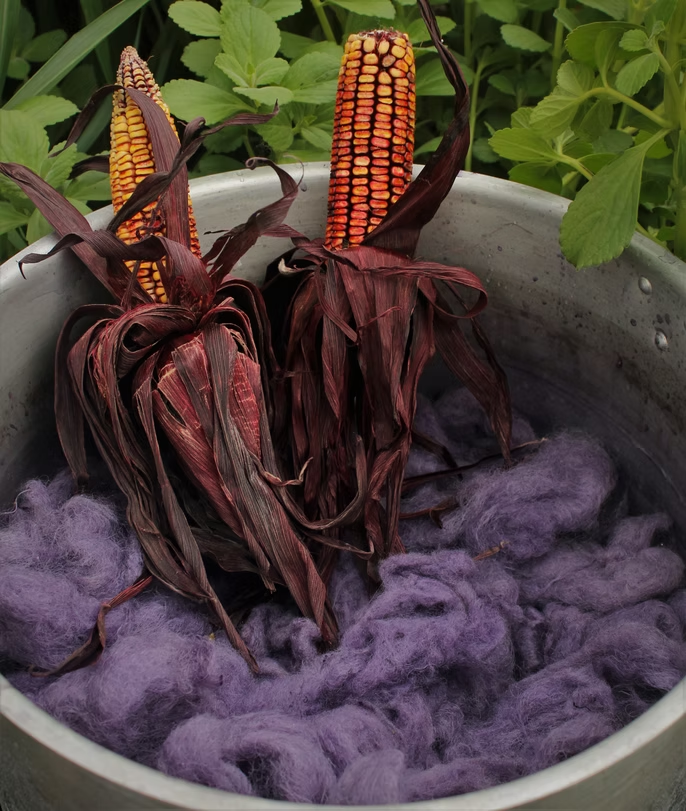
Nestled within the experimental farm, the Blue Sheep Collective (Ovelhas Azuis) is more than just a workshop, it’s “a space of transformation and artistry”. This inclusive initiative empowers women in vulnerable situations by offering training in traditional wool-working techniques, enabling them to build confidence through the creation of sustainable, handcrafted textiles.
At the heart of the collective is a respect for nature and heritage. Wool from the farm is worked entirely by hand, using wet felting methods, natural dyes, and botanical prints. “Each piece tells a story: the rhythm of hands pressing fibers together, the infusion of colour from plants and minerals, and the imprint of leaves and flowers that create delicate, one-of-a-kind patterns”.
Unlike synthetic dyes, natural dyes are rarely viable on an industrial scale due to the sheer quantity of raw materials required. But for small artisan groups like Ovelhas Azuis, these dyes offer incredible subtle and sometimes strong colours. Wool is particularly receptive to natural coloring, needing little in the way of complex machinery. The women experiment with plants, such as the beautiful blues of indigo.
In South America, heirloom corn varieties play an unexpected role in this craft. Their kernels, rich in pigments known as anthocyanins, release stunning shades when boiled in water, ranging from deep purples to bright reds and soft pinks, depending on both the corn’s variety and the acidity of the dye bath. Entire ears of corn are simmered to coax out these hues.
But Ovelhas Azuis is not only about preserving tradition. The collective embraces innovative design, blending ancestral techniques with contemporary aesthetics. Their creations include blankets, toy sheep that echo the project’s namesake, and clothing. Each product is proudly labeled biodegradable, a testament to the group’s commitment to sustainability.
Beyond its beautiful textiles, the project generates profound social, cultural, and environmental impact. It provides women with skills that foster independence, strengthens community bonds, preserves traditional knowledge, and promotes ecological responsibility.
The video of the presentation can be viewed here.
Keywords: One Health, Homeopathy, Agroecology, Livestock farming, Antibiotic
